


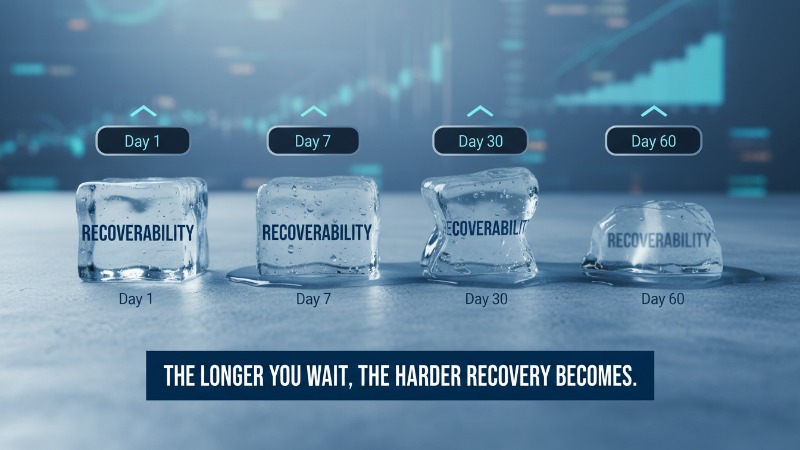
Delayed contact, Speed of Engagement, recovery success
Delayed Contact, Speed Of Engagement matters in South African practice — here is what you need to know. Speed of engagement, response time and recovery success determine the ultimate profitability of your debt collection operation. Why do recovery rates plummet once an account ages past the initial seven-day window? When there is a delay in contact and engagement from date of hand-over, you will find debtors have already prioritised competing financial obligations. This article explores how rapid contact prevents debtor avoidance and secures funds before financial deterioration occurs. You will learn to implement automated workflows that ensure early engagement for maximum impact. Professionals using Debtcol Pro can drastically improve liquidation rates through streamlined processes. Master these critical timing metrics to gain a competitive edge and boost your agency performance today.

Delayed Contact, Speed Of Engagement: Why Speed Determines Recovery Success
Early debtor engagement within the first 48 hours maximizes liquidation rates before financial deterioration or competing creditors exhaust funds. South African recovery probabilities drop significantly if the first contact happens after the initial seven-day window. These rapid collection strategies prioritize your claim, ensuring debt recovery success before the debtor develops persistent avoidance behaviors.
The Direct Link Between Speed of Debt Recovery and Revenue Outcomes
Your total revenue depends on how effectively you manage debtor engagement. Industry data suggests that recovery probabilities drop by ten percent as soon as the debt exceeds seven days since hand-over. Collection Agencies often face debtors who must choose between multiple competing financial obligations during a standard month. Early debtor engagement establishes your client as a priority before the debtor exhausts their available liquid income for that period.
The debt recovery process becomes significantly more expensive when initial intervention occurs after the first sixty days of non-payment. Rapid engagement allows your team to employ soft collections techniques that remain compliant with the Debt Collectors Act 114 of 1998 and the National Credit Act (NCA) guidelines. Professionals using sophisticated collection management software can automate these first contact strategy triggers within hours of receiving the matters. This proactivity prevents long-term debtor avoidance and maintains a healthy debt recovery workflow for your entire collection department.
- Accounts engaged within seven days show a seventy percent higher resolution rate compared to older debt.
- Delayed contact increases the risk of financial deterioration, making full repayment less likely.
- Automated debt recovery workflow tools enhance collector productivity by removing manual scheduling tasks from their daily routines.
- Adhering to CFDC Code of Conduct standards through early resolution offers protects your legal standing and reputation.
Mastering the Debt Recovery Process Through Rapid Intervention
Effective debt recovery depends on a rapid transition from initial delinquency to active engagement. The first thirty days represent a golden window before debtor psychology shifts toward active avoidance and financial deterioration. Following a structured approach helps teams manage delayed engagement, response time and recovery success effectively.
- Initiate contact within three days of receiving the matter to establish priority over competing creditors.
- Automate triggers using software to prevent accounts from stagnating during early aging periods.
- Deploy SMS/Email/WhatsApp notifications immediately to improve response time and recovery success throughout the collection lifecycle.
- Implement Debtcol Pro to standardise your workflow and ensure consistent communication across all debtor accounts.
- Review contact strategy data weekly to identify bottlenecks that reduce your overall debt collection efficiency.
- Document every interaction automatically to maintain an audit trail for NCR and CFDC regulatory compliance.
- Escalate non-responsive files to the next recovery phase once the soft collection window expires.
Data shows that recovery probability drops by nearly fifty percent once an account exceeds sixty days. Swift action reduces the risk of financial deterioration. Debt collection professionals must maintain a tight schedule to ensure consistent results. To learn more about advanced tools for these strategies, please [Reach Out](https://legalinteract.com/law-firms/#contact) to Legal Interact.
Critical Elements of Debt Recovery Performance
Success in the South African debt market depends on rapid execution and adherence to strict local compliance standards. These strategic factors highlight how delayed contact, speed of engagement, response time and recovery success correlate directly to liquidation rates.
Integrating these principles into your operations ensures your agency remains competitive and compliant. To learn more about modernising your process, you can [Reach Out](https://legalinteract.com/law-firms/#contact) to discuss advanced software solutions that optimise your engagement timelines.
Critical Mistakes Impacting Response Time and Recovery Success
Achieving high liquidation rates requires balancing rapid action with strict adherence to South African regulatory frameworks. Errors in early engagement often lead to permanent financial deterioration. Delayed contact, speed of engagement, response time and recovery success are the central pillars of any profitable collection strategy.
- Avoid excessive communication frequencies that violate CFDC standards. Contacting debtors too often creates harassment claims and prevents a professional environment.
- Don’t ignore mandatory data verification requirements under POPIA. Sending sensitive financial documents to the wrong recipient creates severe legal exposure and hefty fines.
- Never sacrifice audit trails for the sake of speed. Use software to log every interaction automatically for future NCR compliance audits.
- Avoid using aggressive or threatening language during initial calls. Implying legal consequences you cannot immediately execute destroys your professional credibility and trust.
- Don’t allow accounts to stagnate without automated escalation workflows. Success depends on prompt follow-ups before other competing creditors exhaust the debtor’s capital.
- Never overlook the legal importance of valid mandates. Ensure all collection activities align with the original credit agreement to avoid expensive legal challenges.
By avoiding these pitfalls, you ensure your debt recovery process remains both ethical and highly efficient. Utilising tools like Debtcol Pro helps automate these critical safeguards naturally. Please [Reach Out](https://legalinteract.com/law-firms/#contact) to discover how to align your operations with best practices today.
Essential Insights for South African Collection Agencies
The collection window is shrinking as economic pressures influence debtor behaviour across the South African credit landscape. Your results depend on managing delayed contact, speed of engagement, response time and recovery success effectively within the first thirty days. Studies indicate that recovery probabilities decline by nearly twenty percent once an account remains untouched for two months. Early intervention prevents financial deterioration and ensures your claim stays at the top of the debtor’s priority list.
South African collection agencies must balance rigorous follow-up frequency with strict NCA compliance to maintain ethical standards. Using automated collection agency software like Debtcol Pro allows teams to trigger immediate responses as soon as payments lapse. These systematic workflows ensure consistent engagement while preserving a clear audit trail. By prioritising rapid engagement, you secure available funds before a debtor’s remaining disposable income is exhausted elsewhere.
- Engage within three days to achieve maximum liquidation rates and prevent avoidance.
- Use automated triggers in your collection strategy to maintain consistent follow-up frequency.
- Ensure all communications align with CFDC Code of Conduct and POPIA requirements.
- Escalate accounts swiftly to prevent long-term debtor desensitisation and financial decay.
If you need to optimize your debt recovery process, [Reach Out](https://legalinteract.com/law-firms/#contact) to discuss custom integration and automation options. Modernising your workflow remains the simplest way to improve your overall collection efficiency and bottom-line stability.
Apply These Tips for High-Speed Recovery
Success in recovering debt depends on reducing friction during the critical first seven days of a debtor’s account lifecycle. You must prioritise immediate outreach through automated triggers to handle high volumes while maintaining strict NCA compliance standards. This systematic approach effectively resolves the challenges of delayed contact, speed of engagement, response time and recovery success. Rapid intervention ensures your agency stays at the top of the debtor’s payment list before their funds target other creditors. By adopting these faster methodologies, agencies can protect their margins and stop financial deterioration before it starts.
Transform your liquidation rates by integrating intelligent software that automates repetitive follow-up tasks and secures bulletproof audit trails. These tools accelerate your recovery workflow while preventing the losses associated with long delays in debtor communication. Start optimizing your collection lifecycle today to achieve superior financial results and maintain operational efficiency across your team. To see how these automation strategies can enhance your firm, we invite you to Reach Out for expert guidance.
