


Cloud hosting: Is your South African firm ready?
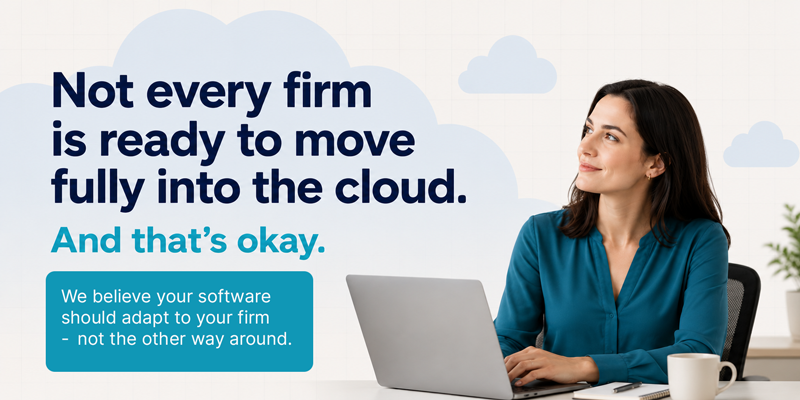
Many South African legal practitioners feel pressure to adopt cloud hosting before they are truly ready. While modernization is important, rushing into new software can disrupt your familiar workflows and compromise trust account integrity. Are you concerned about internet dependency, data control, or high subscription costs during this transition? This guide explores why a measured approach to technology protects your firm’s professional reputation and bottom line. We examine how maintaining stable desktop environments using Winlaw or Practice Manager Pro ensures compliance with the Legal Practice Act. You will discover how to balance modern requirements without risking operational continuity or facing immense migration fatigue.
The Practical Reality of Cloud Hosting
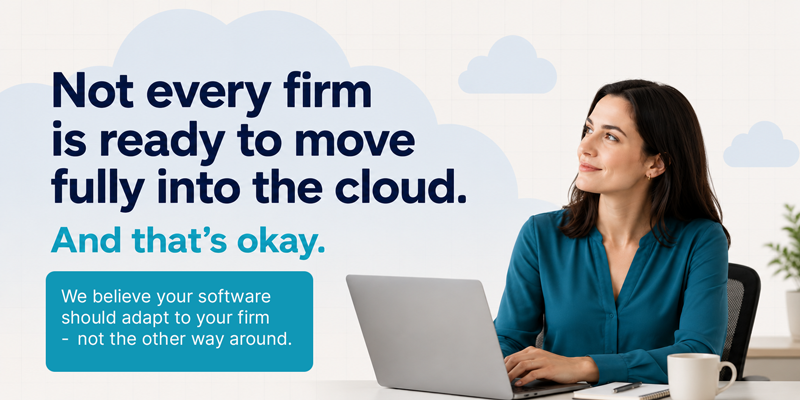
Your South African firm is ready for cloud hosting when your infrastructure can handle total internet dependency without downtime. Recent practitioner insights suggest most firms still require a measured, non-rushed approach to protect trust account integrity. Stability remains the priority for compliance with the Legal Practice Act. Therefore, maintain a desktop or hybrid environment if you value familiarity over disruptive software migrations. You should only transition when your digital strategy prioritises operational continuity and secure FICA record-keeping.
The Realities of Modern Online Infrastructure
The pressure to adopt cloud hosting often stems from the fear of being left behind by technological advancements. Many South African law firms face difficult software decisions as older desktop accounting platforms approach critical end-of-support periods. Consequently, practitioners feel forced into a migration that may not currently suit their specific operational requirements or staffing levels. This myth of mandatory migration suggests that staying offline equates to stagnation, which is fundamentally incorrect for many practices.
Practitioners frequently express concerns regarding internet dependency and the potential for severe business disruption during a digital transition. If connectivity fails, the ability to process urgent transactions or verify FICA compliance under the Legal Practice Act is compromised. Rising subscription costs and the hidden burden of staff retraining also contribute significantly to the phenomenon of migration fatigue. Maintaining data control remains a priority for those who value the stability and predictability of a locally hosted environment.
A measured approach to technology adoption protects the firm’s bottom line and professional reputation while ensuring total trust account integrity. Choosing stable platforms like Winlaw allows firms to modernise gradually without risking the standard of their practice administration. High standards of legal excellence are built on reliable tools rather than simply following the latest global tech trends. This strategy ensures your firm remains compliant with South African regulations while deciding on a viable long-term digital strategy.
Strategic Steps for Adopting New Technology
Deciding on cloud hosting requires a thorough evaluation of your firm’s current operational needs and long-term legal compliance goals. Practitioners must balance the drive for innovation against the necessity of maintaining rock-solid trust account integrity and data sovereignty. Follow these steps to determine if a transition aligns with your practice requirements under the Legal Practice Act.
- Audit existing workflows to identify if your current desktop environment fulfills all your trust and legal accounting requirements effectively.
- Calculate subscription costs and potential staff retraining expenses to ensure the transition remains financially prudent for your firm’s bottom line.
- Assess internet dependency by evaluating if frequent connectivity disruptions could compromise your ability to process urgent FICA or trust transactions.
- Review data migration risks to prevent potential data loss or disruption that often leads to significant migration fatigue among employees.
- Consult local experts about cloud hosting options that specifically cater to South African legal ethics and practice administration standards.
- Determine data control protocols to ensure your firm maintains compliance with POPIA while selecting flexible deployment options for your records.
- Select a transition path that allows for gradual modernization without risking your professional reputation or firm’s operational continuity.
Many local practitioners find that a measured, non-rushed approach protects their professional reputation while ensuring consistent service delivery to clients. You do not need to follow every tech trend to remain competitive in the South African legal landscape today. To explore how to maintain stability while evolving your digital strategy, you may Book a Demo with our expert team.
Navigating the Legal Landscape for Digital Infrastructure
South African practitioners must align their software choices with the Legal Practice Act to maintain professional standards. The Legal Practice Council sets strict requirements for trust accounting and data integrity that every firm must satisfy. Legal firms currently evaluating cloud hosting should consider how local regulations impact their specific data sovereignty and storage needs.
- Trust Account Integrity: Firms must ensure software maintains precise records as required by the Legal Practice Act.
- POPIA Compliance: Unlike desktop environments, cloud-based systems require careful auditing of third-party data processor agreements for South African privacy law.
- Data Sovereignty: Practitioners must know where their physical servers reside to ensure constant access during legal audits or disputes.
- FICA Verification: Reliable systems must facilitate immediate client due diligence without being hindered by potential internet dependency issues.
- Audit Trail Stability: Digital systems must provide permanent logs that withstand scrutiny during annual trust account audits.
- Operational Continuity: Firms should select technology that avoids ‘migration fatigue’ and prevents disruption to essential legal service delivery.
- Cybersecurity Standards: Legal professionals remain responsible for client confidentiality regardless of whether they use desktop or cloud hosting solutions.
Choosing a measured path for technical modernization protects both your firm’s professional reputation and its financial bottom line. If you are uncertain about moving away from stable desktop platforms, you can Book a Demo to explore your alternatives.
Consequences of Believing the Cloud Myth
Rushing into full cloud hosting without a transition plan often leads to operational instability and financial strain. Many South African law firms incorrectly assume that newer technology automatically equates to better legal compliance. This belief causes practitioners to ignore stable desktop environments that currently protect their trust account integrity. Avoiding these common pitfalls helps your firm maintain consistent service levels while protecting your professional reputation locally.
- Don’t ignore internet dependency risks, as South African connectivity issues can instantly block access to urgent trust transactions.
- Avoid rushing data migration because poor planning often results in permanent records loss and severe ‘migration fatigue’ for staff.
- Never underestimate ongoing subscription costs which can significantly inflate your firm’s monthly overhead compared to existing desktop software.
- Don’t compromise data control by moving to servers located outside of South Africa’s jurisdiction without rigorous POPIA vetting.
- Avoid forced staff retraining by rejecting platforms that disrupt the familiar workflows established over years of legal practice.
- Never assume cloud-only tools handle LPC requirements better than proven local solutions like Winlaw or Practice Manager Pro.
These mistakes jeopardize your compliance with the Legal Practice Act and may lead to avoidable business disruption. Instead of chasing trends, consider a measured approach that balances stability with gradual modernization. You can protect your bottom line by exploring flexible deployment options that prioritize data sovereignty and operational continuity.
If you are concerned about your current setup, our team is ready to help you find the right fit. We invite you to Book a Demo to see how our stable legal accounting platforms support your long-term digital strategy.
Dispelling Myths About Cloud Migration and Stability
Q1: Does a desktop system mean my law firm is falling behind?
A: No, staying on a desktop system does not equate to stagnation for a South African legal practice. A measured approach to technology adoption often represents the most financially prudent move for protecting your bottom line. Stable platforms like Practice Manager Pro prevent hidden costs associated with business disruption and high-stakes migration errors. Your professional reputation relies on the accuracy of your trust accounts rather than the latest software trends.
Q2: Is cloud hosting the only way to ensure legal compliance in South Africa?
A: Cloud hosting is not a legal requirement for compliance with the Legal Practice Act or POPIA regulations. Many practitioners find that desktop or hosted environments provide superior data control and accessibility for trust account integrity. These systems offer robust legal accounting functionality tailored specifically for the South African landscape and LPC ethics. Maintaining a stable environment ensures your staff remains focused on legal excellence instead of troubleshooting new cloud interfaces.
Q3: What are the risks of internet dependency for cloud-based law firms?
A: High internet dependency can compromise your ability to process urgent transactions or verify FICA compliance during connectivity outages. If your primary connection fails, a firm relying solely on the cloud may lose access to critical practice records. Desktop-based solutions like Winlaw provide a predictable workflow that operates independently of your current fibre or LTE stability. This reliability is vital for maintaining operational continuity and meeting strict deadlines for client matters.
Q4: Will moving to cloud hosting automatically reduce my firm’s overhead?
A: Moving to the cloud often involves ongoing subscription costs that can exceed the long-term expense of desktop licenses. You must also factor in the price of staff retraining and the potential loss of billable hours during migration. A gradual modernization path allows you to manage these expenses without the risks associated with ‘bleeding edge’ technology. You can Book a Demo to compare how traditional deployment options might better suit your firm’s budget.
Q5: How does ‘migration fatigue’ affect South African legal practitioners?
A: Migration fatigue occurs when the disruption of familiar workflows and data loss risks overwhelm a firm’s administrative capacity. Many practitioners find that a rushed transition to new platforms causes significant stress and impacts staff productivity levels. Choosing a comfortable transition path protects your firm from the volatility of frequent software updates and interface changes. This stability allows your team to maintain high standards of practice administration without constant technical interruptions.
Q6: Does a hosted environment offer better data control than the public cloud?
A: A hosted or desktop environment often provides greater data sovereignty by allowing you to decide exactly where information resides. This control is essential for satisfying the strict privacy requirements set out by the Information Regulator regarding client data. Platforms designed for the local market offer flexible deployment options that prioritize trust and legal accounting security. You can balance modern requirements with rock-solid compliance by selecting a system that offers local support and training.
Answering Key Business Software Concerns
Many practitioners hesitate to adopt cloud hosting due to heavy compliance pressure under the Legal Practice Act. Moving fully to the cloud often introduces significant migration fatigue and risks data loss during hurried transitions. Internet dependency remains a major concern because connectivity failures can halt urgent trust account transactions or FICA verification. Firms frequently find that staff retraining and high subscription costs create unnecessary financial strain on their professional operations.
Proven platforms like Winlaw and Practice Manager Pro provide the stability required for meticulous South African trust accounting. These systems offer robust functionality that aligns perfectly with LPC ethics and local practice requirements. Using a desktop environment allows your team to focus on legal excellence rather than troubleshooting new software interfaces. A measured approach protects your bottom line by avoiding the hidden costs associated with business disruption and errors.
Choosing a gradual modernization path ensures your firm remains compliant while you determine your long-term digital strategy. You can maintain high standards of practice administration without the risks of adopting unproven, bleeding-edge technology too quickly.
The Correct Approach for South African Firms
Selecting the right technology depends on your specific practice needs and risk appetite. Successful South African firms prioritize stability and trust account integrity over chasing the latest digital trends. You can avoid migration fatigue by maintaining proven desktop systems or exploring a gradual, hybrid modernization path. This measured strategy ensures that your firm remains fully compliant with the Legal Practice Act during any transition. Ultimately, choosing a reliable partner protects your bottom line and preserves your professional reputation for years to come.
Cloud hosting offers many benefits, but it must align with your operational readiness and internet infrastructure. We invite you to explore how Winlaw and Practice Manager Pro provide the stability your practice requires. Our team provides local training and support to help you find the most comfortable path forward today. Secure your firm’s future by making an informed choice about your legal accounting and practice management software. Book a Demo now to discuss a customized solution for your specific requirements.
